
Sustainability and Operational Excellence in Lodging
The lodging sector—hotels and timeshare resorts alike—continues to operate under sustained pressure from rising costs and uneven occupancy patterns that trace back to the COVID period. While occupancy experienced a modest rebound as travel resumed, operating expenses tied to labor, food, energy, and operating supplies have remained elevated. These cost pressures have made it increasingly difficult to meet owner expectations while also delivering the higher service standards today’s guests demand. Guests continue to seek value, consistency, and quality in the packages and rates they are willing to pay, placing added strain on operations already managing tighter margins.
Two areas now stand out as meaningful opportunities for progress—evolving technology and sustainability practices. When applied thoughtfully, both can reduce operating costs while improving efficiency and supporting service delivery. Rather than viewing sustainability as an abstract goal, many lodging operators are beginning to recognize it as a practical framework for operational excellence.
Technology as a Practical Sustainability Tool
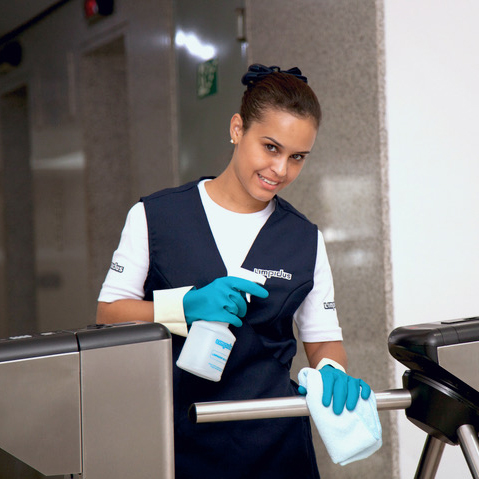
Modern technology allows properties to improve efficiency while reducing environmental impact. At Limpidus, housekeeping teams are trained to understand that daily operations function within a larger ecosystem where sustainability and efficiency reinforce one another. Simple tools often deliver the most immediate value. Devices that allow staff to capture and send images of leaking faucets, malfunctioning heating units, or equipment that fails to shut off enable engineers to diagnose problems quickly and begin corrective action without delay.
This level of coordination shortens response times, reduces water and energy waste, and minimizes unnecessary strain on systems that support core operations. Over time, these incremental improvements extend equipment life and lower long-term maintenance costs, reinforcing the link between sustainability and operational performance.
Establishing a Baseline for Improvement
A meaningful shift toward sustainable operations begins with understanding current consumption patterns. Properties benefit from taking time to measure how resources are used across the facility rather than relying on assumptions or historical averages. Establishing a baseline creates a foundation for continuous improvement and allows leadership to assess how the property truly operates on a daily basis.
Key questions guide this process. How much power is being used, and is that usage necessary? What is the condition of the equipment that supports daily operations? How is water distributed and consumed throughout the property? Identifying inefficiencies highlights opportunities to make targeted changes that align with modern operational expectations.
Ongoing Measurement and Predictive Maintenance
Many properties conduct monthly operational reviews to evaluate performance. Reviewing metrics consistently helps identify trends, reveal inefficiencies, and surface opportunities for adjustment. In many cases, these reviews also uncover meaningful cost-saving opportunities that would otherwise remain hidden.
Established technologies support this process by collecting data and generating reports that inform decision-making. Predictive maintenance tools help operators identify issues before they escalate into costly failures or guest-impacting disruptions.
Extending Sustainability Beyond the Guest Experience
Technology adds a measurable dimension to sustainability efforts and should be embedded within the broader operational strategy. Investments that extend beyond visible guest-facing amenities often produce the greatest long-term returns. Climate control systems in unoccupied spaces, elevators and escalators placed into sleep mode, and improved back-of-house controls reduce unnecessary energy consumption.
Team Engagement and Leadership Culture
Sustainability depends on the daily actions of team members across the property. Leadership plays a critical role by modeling responsible practices and reinforcing a culture that values efficiency, accountability, and stewardship. This culture increasingly influences how guests perceive a property and how potential employees evaluate workplace values.
Making Sustainability Visible
Visible communication reinforces commitment. Lobby displays that highlight annual reductions in water usage, energy consumption, and waste allow both guests and employees to understand the impact of operational improvements. Community-focused initiatives such as recycling efforts and environmental clean-up events further strengthen engagement and morale.
Virtual Services and Operational Efficiency
Virtual guest service tools improve response times while reducing friction between guests and staff. Automated assistance allows team members to focus on high-touch interactions while reducing over-staffing pressures and supporting more efficient labor allocation.
Leadership Through Inclusion
Achieving meaningful sustainability and cost reduction requires inclusive leadership. Involving staff at every level reinforces engagement, sustains momentum, and ensures sustainability remains a shared, long-term commitment.
To Learn More, Contact
Joe Sebestyen
Director of Development, Limpidus USA
Cell 405-269-3182
Joe.sebestyen@limpidus.com
www.limpidus.com / www.limpidus.la